
Lately, due to the current political and economic situation and the energy crisis that is being generated as a result of the armed conflict between Ukraine and Russia, as well as the rise in gas prices, we are hearing many measures on how to deal with this crisis.
One of the measures that were implemented this summer is the limitation of air conditioning temperatures, and shortly the limitation will be applied to heating also, to save energy. However, other measures such as eliminating Christmas lights are not going to be implemented a priori.
From a systemic point of view, the measures are focused on reducing energy expenditure a little, not trying to solve the underlying problem. Perhaps it would be interesting for governments to apply product and innovation management techniques to problem-solving. Energy saving has limits and will begin to collide with people’s well-being and industrial needs, while other actions focused on promoting and subsidizing self-consumption will allow us to generate more energy, be more competitive, and reduce dependence on other countries, at the same time that we will reduce the carbon footprint and the energy bill for the different actors.
Self-consumption options are currently focused on the use of solar panels, but… are there more options?
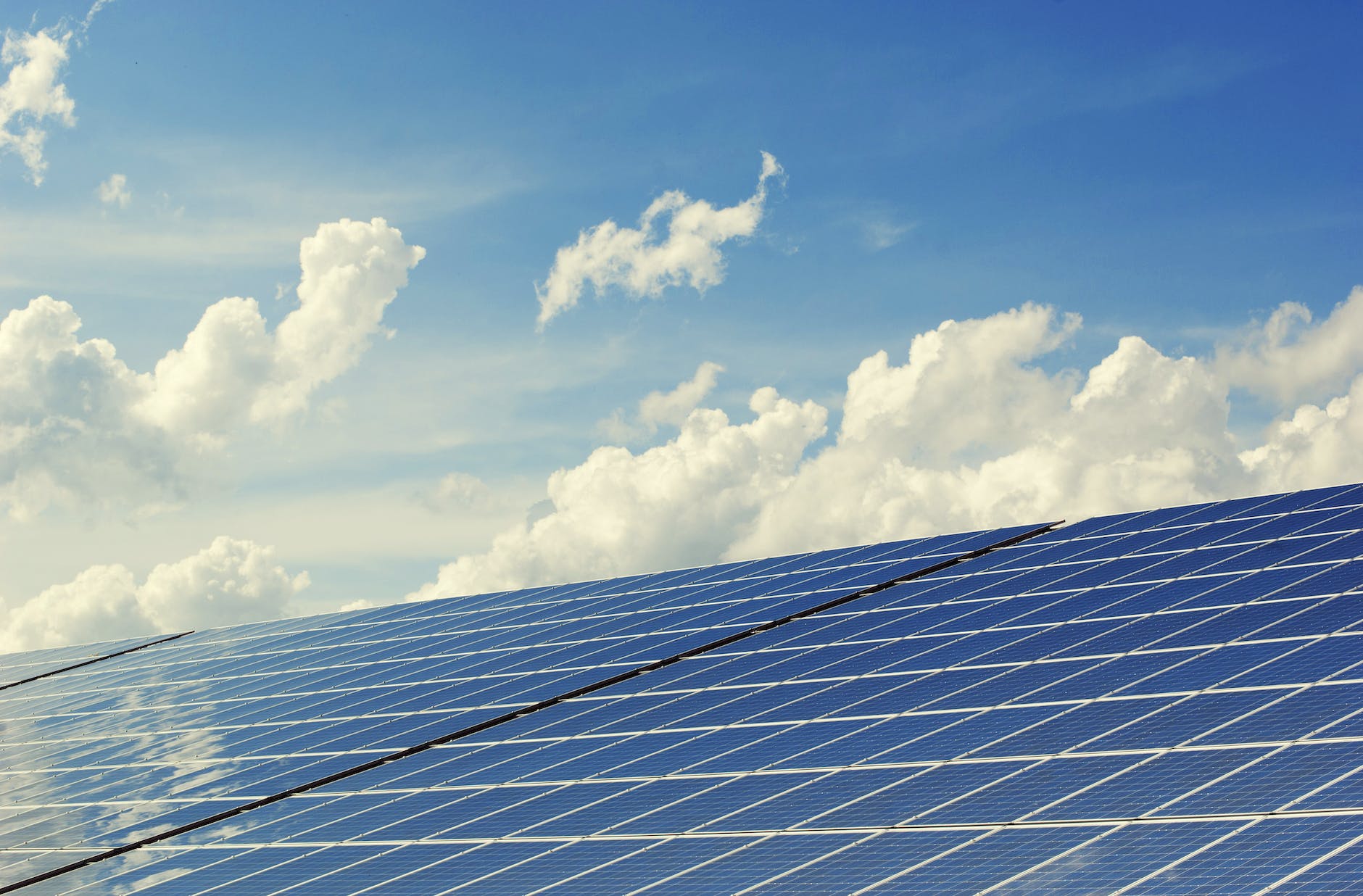
Since 2007, the Spanish RITE regulations established the use of thermal solar panels for ACS (domestic hot water), so new buildings since that date have solar panels on the roof, however, the type of panel and operation is different. Taking advantage of this philosophy, several options could be studied for these facilities depending on the technical feasibility and the necessary investment, such as:
- Solar hybrid system for a thermal and photovoltaic generation that takes into account, on the one hand, what has higher priority (thermal or photovoltaic generation) to generate one type of energy or another or the possibility of generating both simultaneously.
- Alternation of thermal and photovoltaic panels to maximize the capacities of both types of energy.
In addition to these options, other types of photovoltaic generation may be interesting, such as the use of wind turbines. And it could also be interesting to consider how nanomaterials such as graphene can help us, where R&D still has a lot to explore. Currently, some paints already available on the market consume CO2, so why not consider coatings that capture solar energy for the purposes mentioned above.
Independently of this, we should think before what the real problem is to focus on how to solve it, since we won’t do it, it still remains in the future, not with patches like we already do, but with real solutions that avoid or minimize the problem. And here is where product management and innovative thinking could bring light.
 Santiago García Nieto
Leave a comment